Dear Lars,
I remember you telling me Cerpa is Puerto Rican, and I was particularly looking forward to spending time with his work here in this dearth of Latino-ness. Even when there is nothing specifically “Latin” or “Puerto Rican” in the work, I always have this underlying sense that somewhere along the line there must be a dash of commonality. Even something as tiny as a type of food, a phrase, a tradition, a habit. Something in the recipe of this person that mirrors the recipe of my person that eventually sneaks into the work itself like a form of common terroir. Not that this equals knowing.
One of our filming days here is set aside as a “Promo Day,” where we do things like photoshoots for the show poster and ads, video interviews with the publicity team, etc. (This may feel like a digression, but I promise it’s not.) One question I’m asked over and over is “How does food build bridges between cultures?” I hate this question because it oversimplifies and makes assumptions…
Read MoreOctober 2024
Nashville, TN
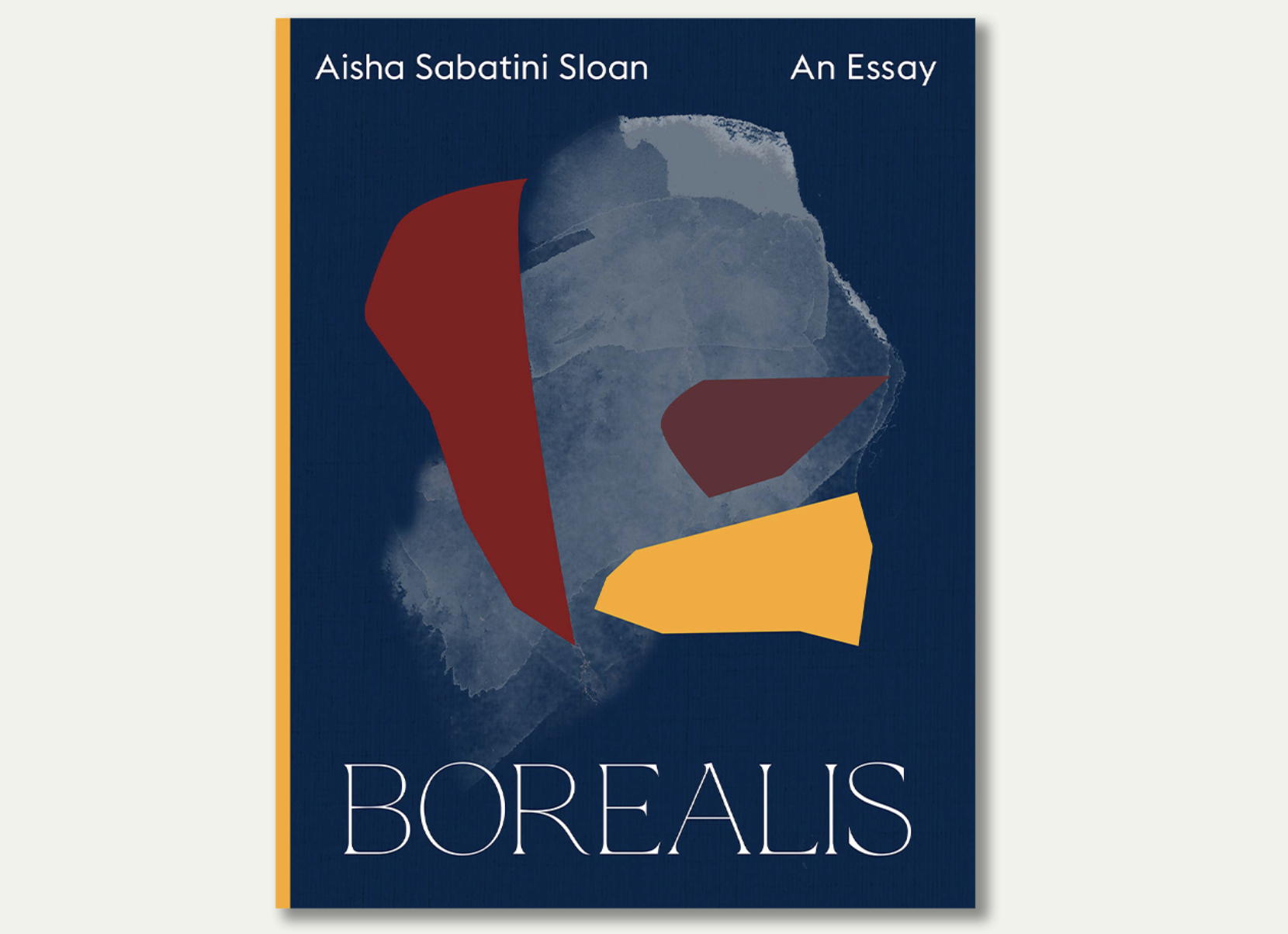
In Response to Borealis by Aisha Sabatini Sloan
Dear Lars:
It occurs to me that we never discussed specific parameters for this reading journal, but I feel drawn to a letter format, partially inspired by the letter-style foreword to Aisha Sabatini Sloan’s Borealis.
That was, in fact, the first thing that struck me about the work. It’s something I can’t recall ever having seen before although it makes perfect sense. I suddenly feel like every foreword is in some way, a letter, (signed, dated, in conversation with the work, etc.) though I suppose they usually addresses the reader rather than the author. I like this new-to-me approach and feel like it’s something I may want to use in the future when writing introductions or blurbs—I’m often stuck with what/how to write and suspect the idea of framing it in my mind as a letter to the author could prove helpful.
One of the other things I noticed as I started to move through the work was a feeling that I was reading the structural mirror image of Jenny Bouley’s The Body: An Essay. There we had footnotes with no essay; here we have a highly referential essay with absolutely no explanatory footnotes.
Reading Borealis, I felt equally unmoored, with…
Read MoreIn her lecture “On Beginnings,” collected in the book Madness, Rack, and Honey, the poet Mary Ruefle considers Gaston Bachelard’s idea that “we begin in admiration and end by organizing our disappointment,” which she simplifies even further into “origins (beginnings) have consequences (endings).” Pulled and paraphrased from Bachelard’s The Poetics of Space, where it originally referred to the practice of poetry and the ways we deal with the intrinsic inadequacies of language, it is a concept that can also be applied to an act even more mystical and bewildering: that of falling in love.
As Ruefle elaborates, “the moment of admiration is the experience of something unfiltered, vital and fresh” not unlike the sense of potential, amazement, and naivete with which one might enter a new romance. As the initial illusions fade and the realities make themselves known, the clarity afforded by disappointment becomes an opportunity to take agency and make decisions in marked contrast with the uncontrolled fall at the onset. Or as Ruefle puts it, a moment of “dignification” where the writer—or for our purposes, the lover—can take back control of the story.
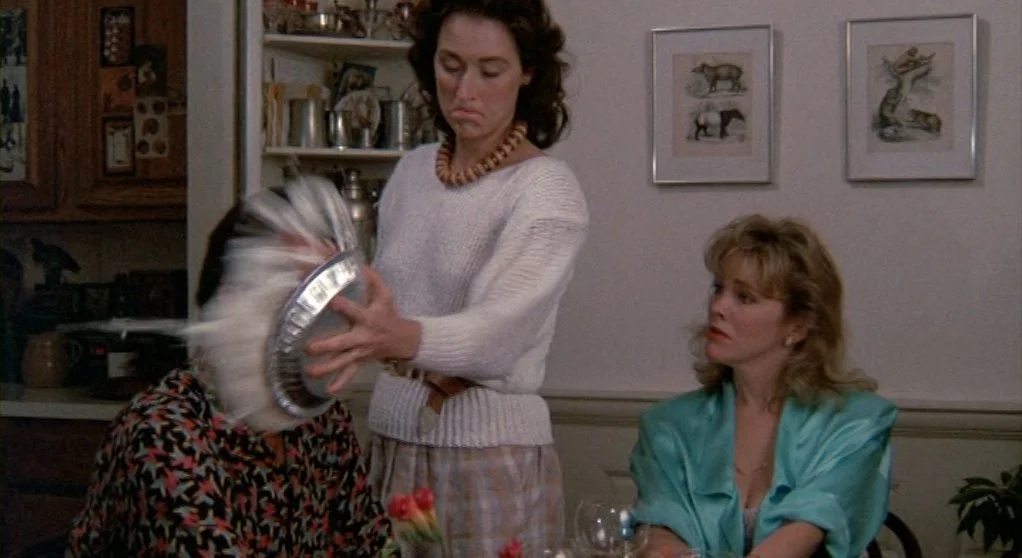
For writer and director Nora Ephron, dignifying the consequences of her origins meant using it as fodder for her literary work. From the Esquire magazine essays that pulled from her daily life to the dynamic romantic comedy heroines she wrote to deliver her personal philosophies on screen like Meg Ryan-shaped ventriloquist puppets, Ephron was an unapologetic miner of her own lived experience; a self-described “cannibal” who took her screenwriter mother’s adage to heart that “everything is copy.”
Read More“There was a time when I would rather have had you by my side than any one of these words; I would rather have had you by my side than all the blue in the world.”
I chose Bluets because I wanted to learn how to let go of a dream.
In the first version of that sentence, I wrote: a dream that no longer fit, but then went back and removed that part because it’s not really that the dream doesn’t fit; it’s simply that I want to wear something else, regardless of how good the dress looks.
(Then again, multiple things can be true because I can also think of all the ifs that would have made me want to keep wearing that dress.)
I try to explain this to my best friend, but he doesn’t understand because so many of the ifs went his way. Our conversation keeps getting interrupted because HBO and Hulu are in a bidding war over one of his films. When he returns to the table I say: it doesn’t make sense to you because the same people who keep offering you more, keep offering me less.
Read More